
Aging with Grace
There have always been inspirational runners who defy conventional beliefs regarding aging and human performance. The truth of the matter is that the biopsychology of aging remains largely a mystery.

Perceptive insight is vital to identify any potential problems that may impact an athlete from overtraining to personal issues.
There have always been inspirational runners who defy conventional beliefs regarding aging and human performance. The truth of the matter is that the biopsychology of aging remains largely a mystery.

Covert use of performance enhancing substances — aka “cheating†— is as old as organized sports. Even the Ancient Greeks are said to have taken “potions" to enhance their athletic prowess. Today, with one drug-cheating revelation after another splashed across the headlines, many people are so fed up they now regard most exceptional performances with skepticism and disbelief.

Running is our birthright. That's why I'm so passionate about restoring the natural coordination and spontaneous imagination we once knew as children. And that's why I'm introducing my new friend and Feldenkrais practitioner, Jae Gruenke, to the Boulder running community.

It's widely speculated that the trunk should remain constantly still, in a permanent state of contraction throughout the running cycle. At first glance, it might appear this way when the bare torso of an international athlete is on display. It certainly looks as if their trunk barely moves.
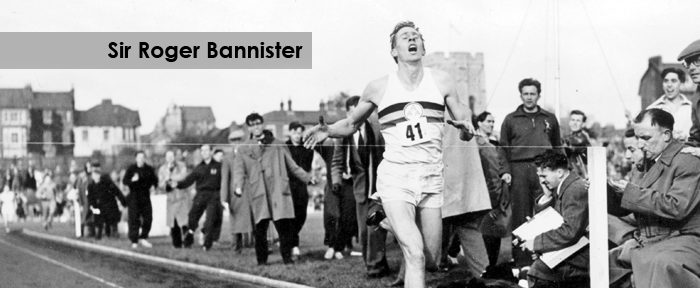
The official four-minute barrier had daunted runners for generations and was spoken of by some as an insurmountable barrier that was physiologically impossible. Roger had high hopes of breaking through it, with the eyes of the world watching, so that others might follow